Writings

El Arco de Cabo San Lucas: Nature’s Marvelous Sculpture

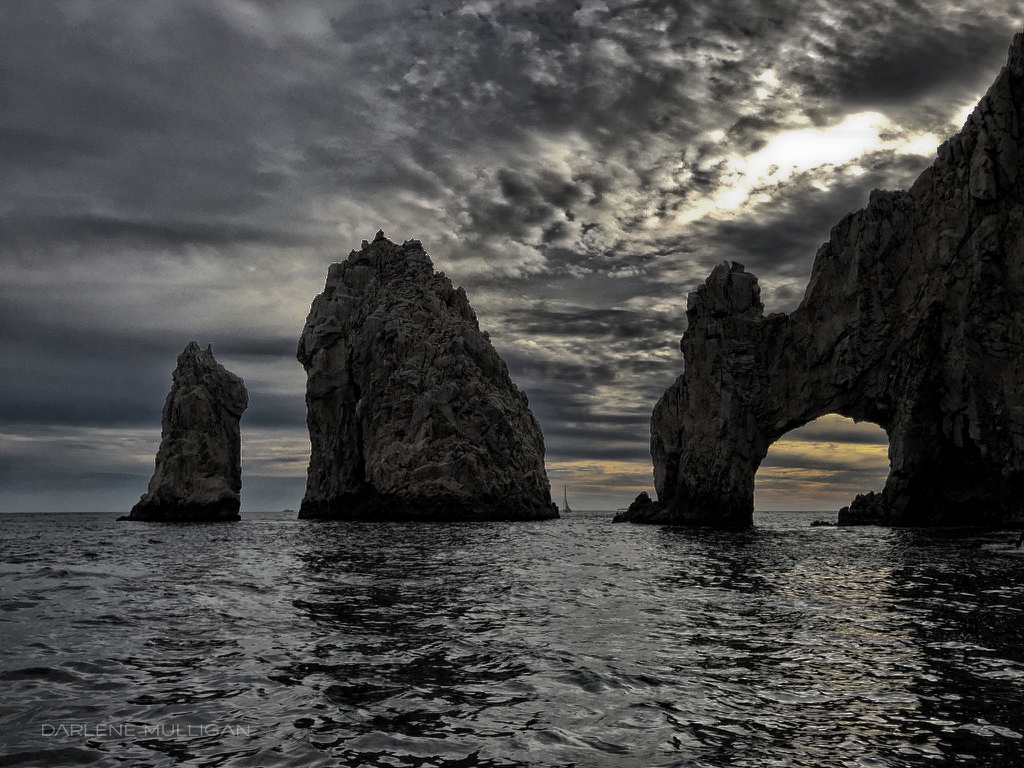
As you step onto the sands of Cabo San Lucas, your eyes are immediately drawn towards the iconic El Arco de Cabo San Lucas. This magnificent rock formation, shaped by time and the ceaseless currents of the Pacific Ocean and the Sea of Cortez, stand as a testament to the awe-inspiring might of nature.


Venturing closer to El Arco by boat, I had a chance to photograph the rock formation up close, in all its grandeur. It became apparent that it was not just a beautiful spectacle but a gateway where two distinct marine ecosystems meet and mingle – the sea of Cortez with the Pacific Ocean.

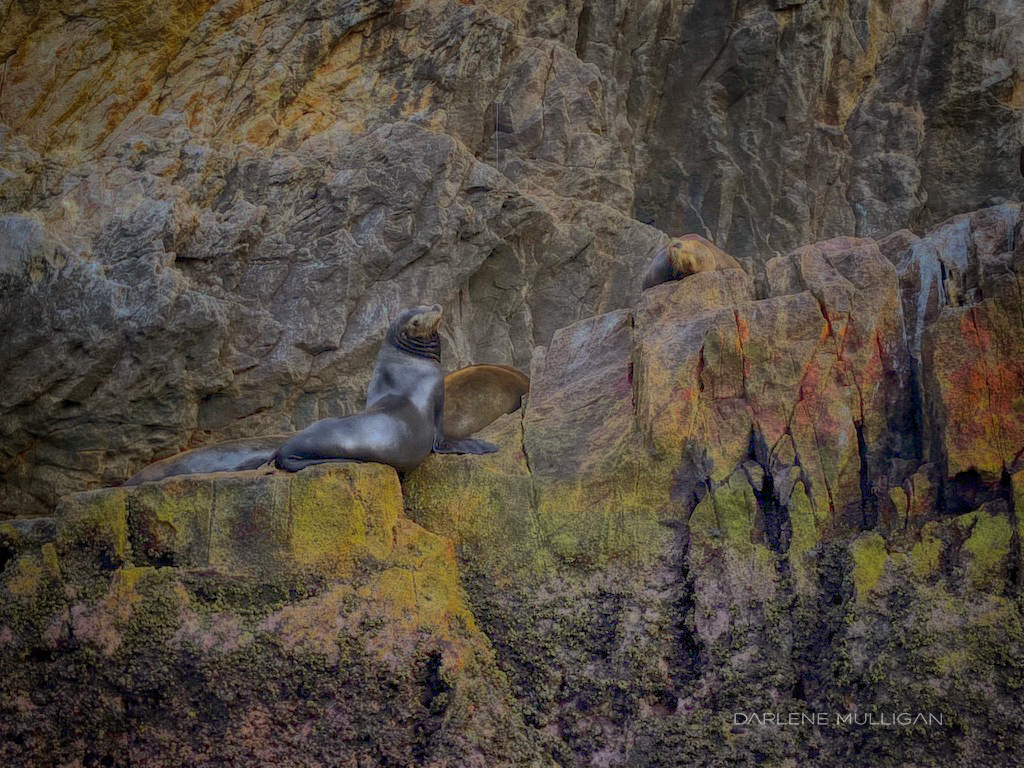
All around El Arco, life flourishes. Sea lions lounge leisurely on the rocky outcrops, basking in the sun’s warmth. The area also serves as an essential feeding and breeding ground for numerous bird species, including pelicans and frigatebirds who like perch on the rocks.


Pelican Rock Cabo San Lucas Mexico

For five dollars the boat will drop you off on the Playa del Amor, or Lover’s Beach.

The Pacific Ocean side often referred as Divorce Beach due to the rougher water and rogue waves that hit the shore. This hidden oasis, cradled by towering rocks is a photographers dream.

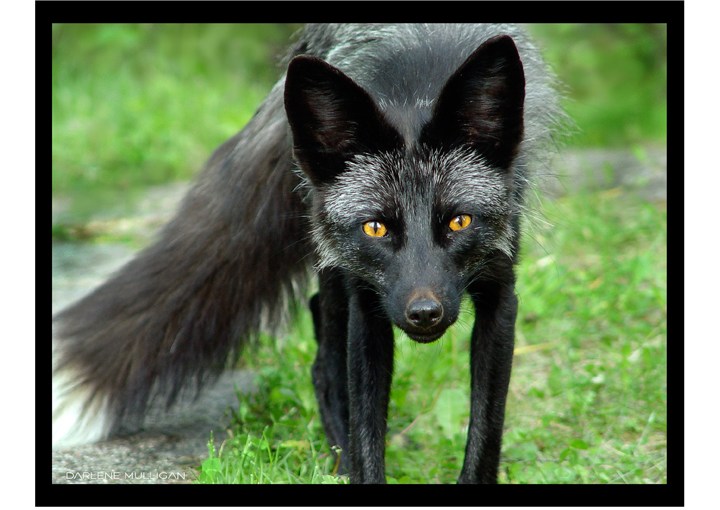
Fox Incognito

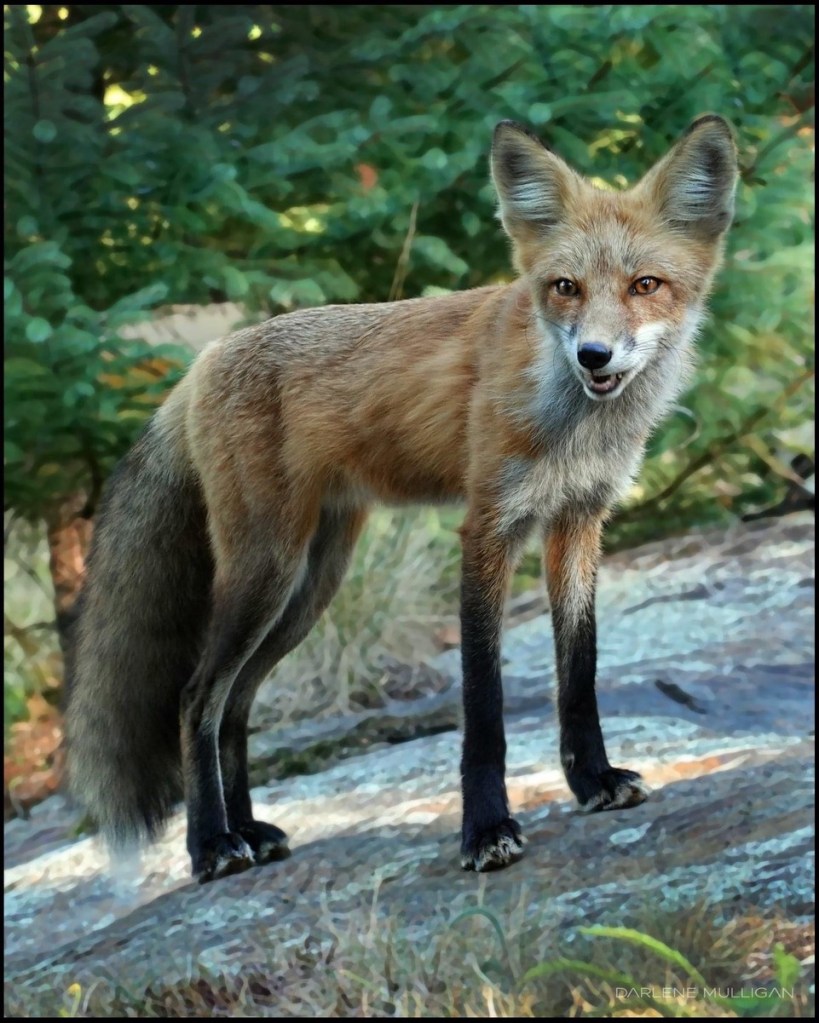
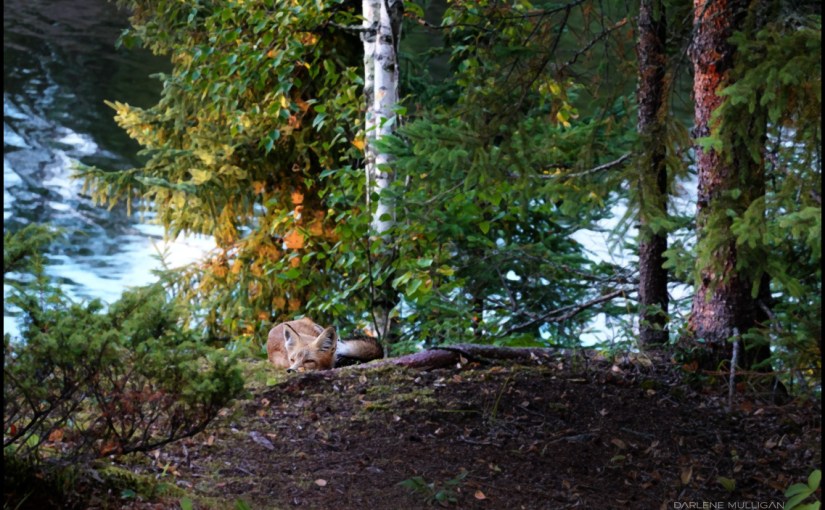
This red fox was hiding close to a chipmunk burrow waiting for his chance.  Camouflaged in the terrain, it wasn’t long before the chipmunk with it’s terrible vision unknowingly darted within striking distance of the fox.  Using the great force of his hind legs the fox leaped, landing on top of his targeted prey.

Thank goodness I did not witness that! I do know this. We had chipmunks around here before this guy showed up. Now we have this guy, no chipmunks (mice either, which is a good thing).

FoxonRockDSC01694Sm

How beautiful is this wild creature? He’ll live for 2 to 3 years. He eats about 2 pounds a day.  A chipmunk weighs a third of a pound. That means he’ll eat about the equivalent of six chipmunks a day.  In addition to chipmunks and mice they also eat birds, worms, berries, eggs and any scavenged food they can find.


Awe and Wonder

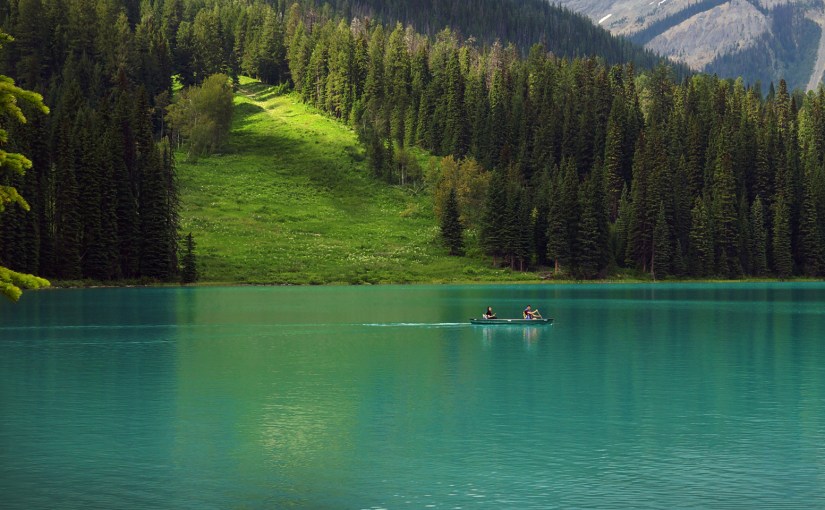
Canoe your way through the Rockies. Emerald Lake YoHo National Park. Rocky Mountains. British Columbia Canada.

Did you know? As the snow melts from the surrounding mountains, the watershed cascades over cliffs collecting powered limestone along the way, colouring the waters of the lake into a vivid turquoise colour. 

Available in print & for social media.

Behind the lens. Photographing Emerald Lake.

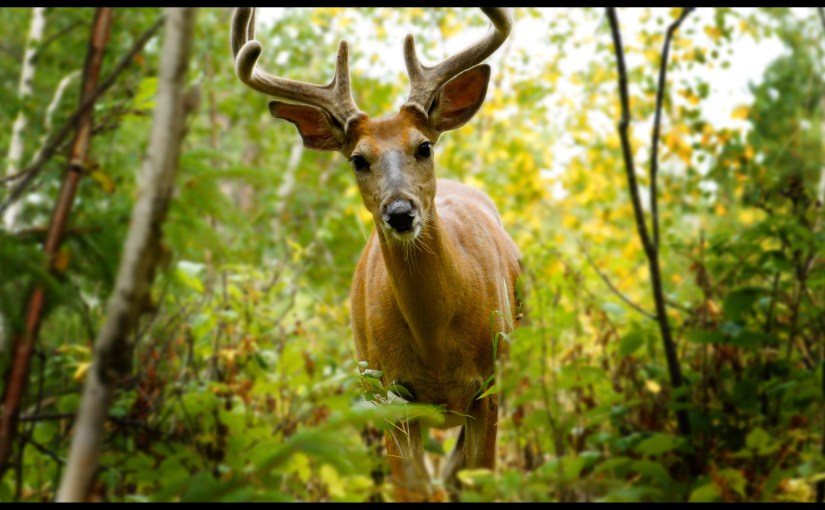
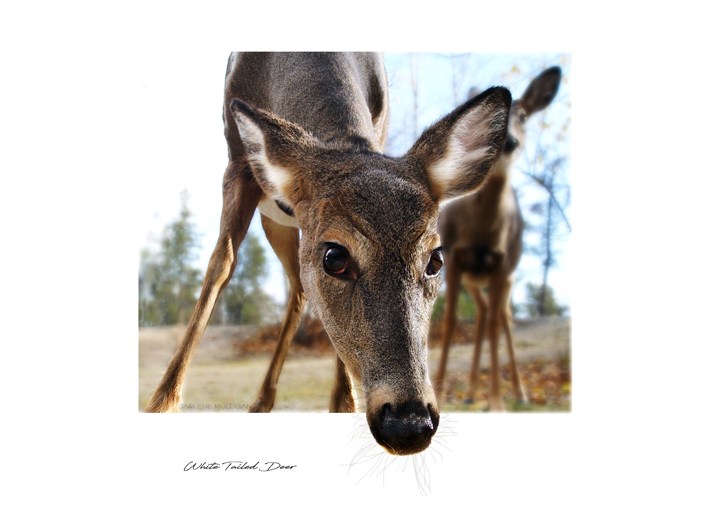
Doe a Deer

White Tailed Deer—Canadian Boreal Forest Manitoba Canada

Available in print 24 X 24 & 12 X 12 Print

Did you know? Deer are not able to focus on one location with both eyes which means the deer has very poor depth perception.  Next time you’re on the highway think of all those deer crossing at the absolute wrong time and stop wondering what would possess them to cross at that precise moment. 

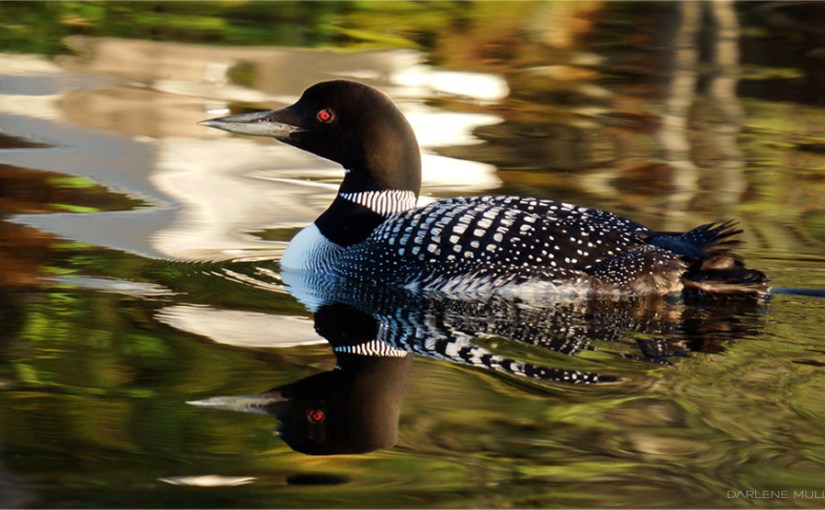
The Great Northern Diver

Loon in my Bay—The Canadian Boreal Forest. Whiteshell Provincial Park Manitoba Canada

Available in print 16 X 11 & social media.

Did you know? The same pair of loons occupy the same bay in the same location year after year.  They lay one or two eggs in nest in the marsh.  Both parents care for the babies until fall when their offspring joins the teenagers before migrating to the south.

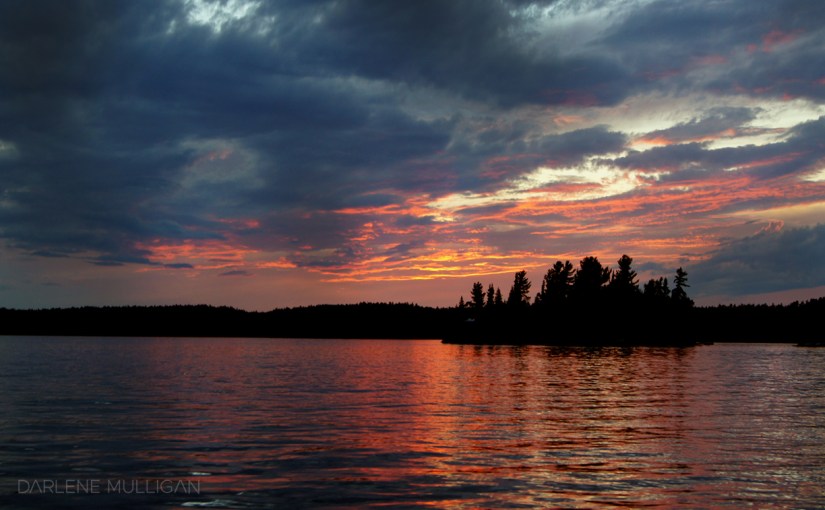
After the Storm

Take in the living sky as the sun sets over on of the lakes of the Canadian boreal forest. Westhawk Lake Whiteshell Provincial Park Manitoba Canada.

Did you know? A meteorite about the size of a school bus hit the ground on the border of Manitoba and Ontario Canada some 3 million years ago forming Westhawk Lake remains one of the freshest water lakes in central Canada.

Available in print 20 X 10 & for social media.

It isn’t easy being green.

Tree Frog—captured in the Canadian Boreal Forest Manitoba Canada

Available in print 12 X 18 & social media.

For a long time I had a tendency to always shoot photos from “my” eye level.  Classic mistake.  This little guy showed me the value of looking beyond your own horizon.  At my feet, while I was focused on shooting yet another sunset, this little guy was posing patiently on the end of a branch.

I only saw him because I dropped my lens cap beside him.  He is only about 2 inches long.  I had to get up close.  He still didn’t move.  His expression says it all.   Will you take the picture already.